Smart Choices for Year-Round Comfort: A Practical HVAC Playbook for Homes and Small Workplaces
First, assess the space and comfort priorities before any HVAC decision. Square footage, insulation quality, window orientation, and occupant schedules shape load requirements more than brand labels. In practice, a careful load calculation prevents oversizing that short-cycles and undersizing that strains equipment. Document ceiling heights, infiltration points, and room usage so capacity, airflow, and zoning can be matched with intent rather than guesswork.
Next, scope the delivery network that moves conditioned air. Ductwork efficiency often determines real-world performance more than the nameplate rating. Verify return paths, check static pressure, and look for kinks, crushed runs, or unsealed seams. Then seal, support, and balance to reduce leakage and noise. When ducts are impractical, a Ductless Mini Split can serve additions or repurposed rooms without invasive reconstruction.
Meanwhile, plan the lifecycle of major components. Furnaces, air handlers, and Heat Pumps have different duty cycles and seasonal demands. Align replacement timing with building occupancy, avoiding peak heating or cooling months if possible. Phased upgrades—like pairing a new outdoor unit with a compatible indoor coil—can bridge budgets while improving reliability. Validate refrigerant compatibility and electrical capacity so the new gear integrates without surprise change orders.
Beyond that, consider indoor air quality in parallel with temperature control. Air Purification complements filtration by reducing particulates and some airborne irritants, while Whole House Humidifiers and Dehumidifier Installation help maintain a stable moisture range. Calibrate expectations: comfort improves when temperature, humidity, and cleanliness work together. Inspect return grille sizing and filter cabinets, since undersized returns starve systems and undermine even the best accessories.
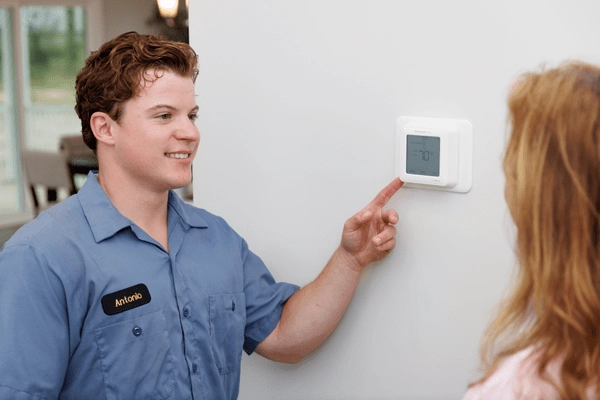
However, controls shape outcomes as much as equipment. A thoughtful Thermostat Installation with zoning or smart scheduling can buffer daily swings and reduce runtime. Place sensors away from drafts, sunlight, or appliances to avoid false readings. Sequence setback strategies with the building’s thermal mass; abrupt changes force longer cycles. Finally, verify control wiring and staging so multi-stage or variable-capacity systems ramp smoothly instead of toggling inefficiently.
Often, maintenance discipline determines whether warranties and efficiency targets hold. HVAC Maintenance should include coil cleaning, drain line clearing, blower inspection, and refrigerant charge validation. Inspect electrical connections and safety switches, then replace filters on a schedule that reflects actual dust loads. For hydronic or water-related appliances, check Water Heaters and Tankless Water Heaters for scale and venting integrity, and log findings so small issues don’t snowball into downtime.
Then, prepare for edge cases that stress systems. Heat waves and cold snaps expose weak capacitors, dirty Evoporators & Fan Cails, and underperforming outdoor clearances. Trim vegetation, validate airflow around condensers, and confirm defrost cycles on heat pumps before extremes hit. For businesses, Commercial HVAC planning should stage service windows around operating hours, with spare filters and belts on hand to reduce disruption during peak periods.
Meanwhile, budget with total cost of ownership in mind. Upfront savings can evaporate if AC Instalation shortcuts lead to rework or nuisance calls. Compare energy profiles, maintenance intervals, and expected lifespan across options. Sequence investments: start with envelope improvements, then right-size equipment, and finally fine-tune controls. Refine forecasts annually, because usage patterns, staffing, or family needs shift, altering optimal settings and service intervals.
Additionally, integrate plumbing considerations that intersect with comfort. Proper Drain Cleaning and Plumbing Repairs protect condensate drains and prevent backups that shut systems down. When remodeling, plan Plumbing Installation, Re-piping, or Gas Piping routings so service panels and clearances remain accessible. Validate combustion air paths and venting before closing walls, and document locations for future technicians to minimize invasive diagnostics.
Finally, create a simple, durable playbook. Keep a dated log of filter changes, service visits, pressure readings, and part replacements. Inspect outdoor equipment seasonally, test thermostat programs after power outages, and maintain a short list of priority tasks before summer and winter. When issues arise, AC Repair or Furnace Repair is more effective with this history on hand, enabling faster root-cause analysis and a smoother handoff after each visit.